The course
Course Overview + Goals
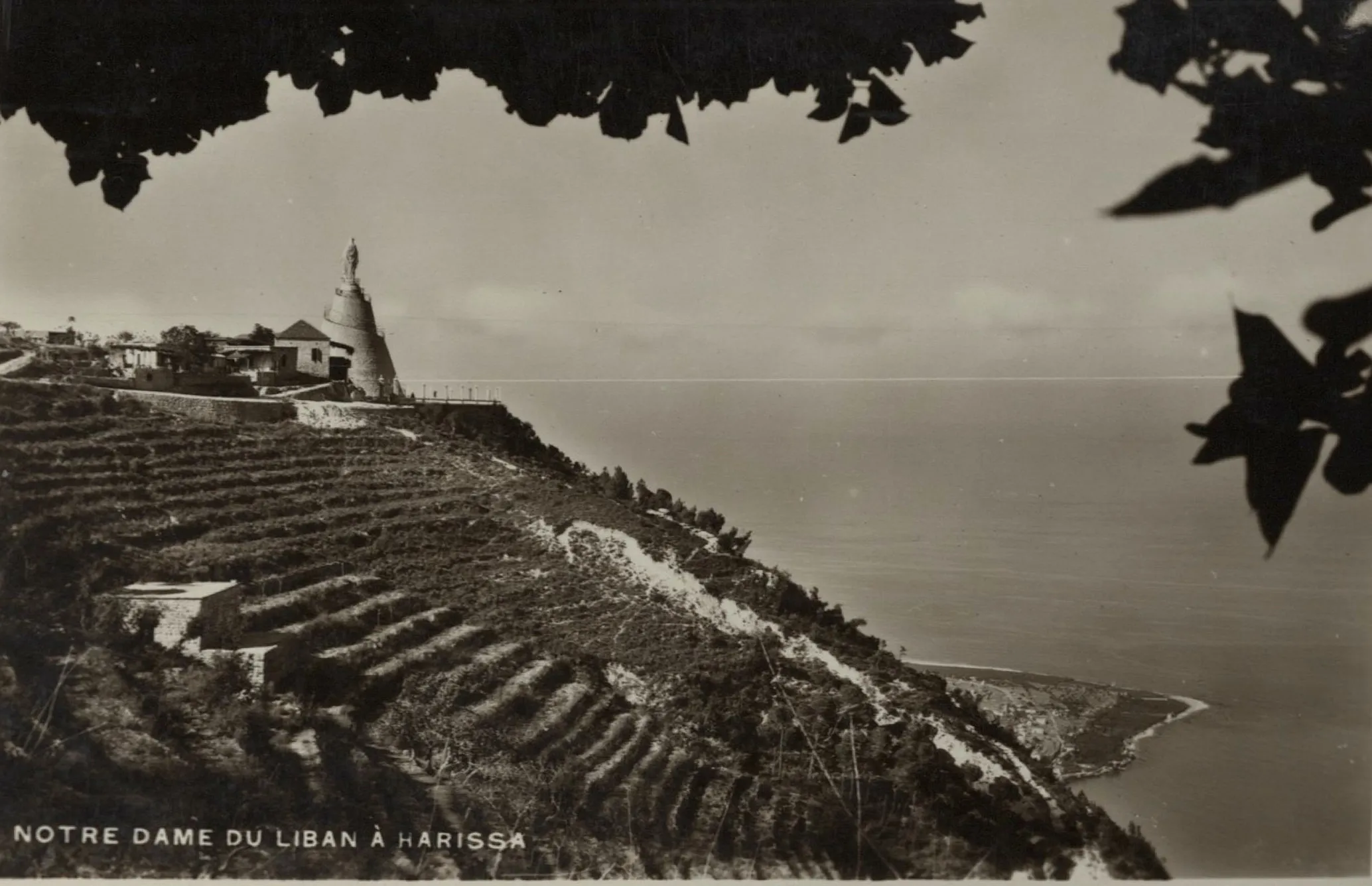
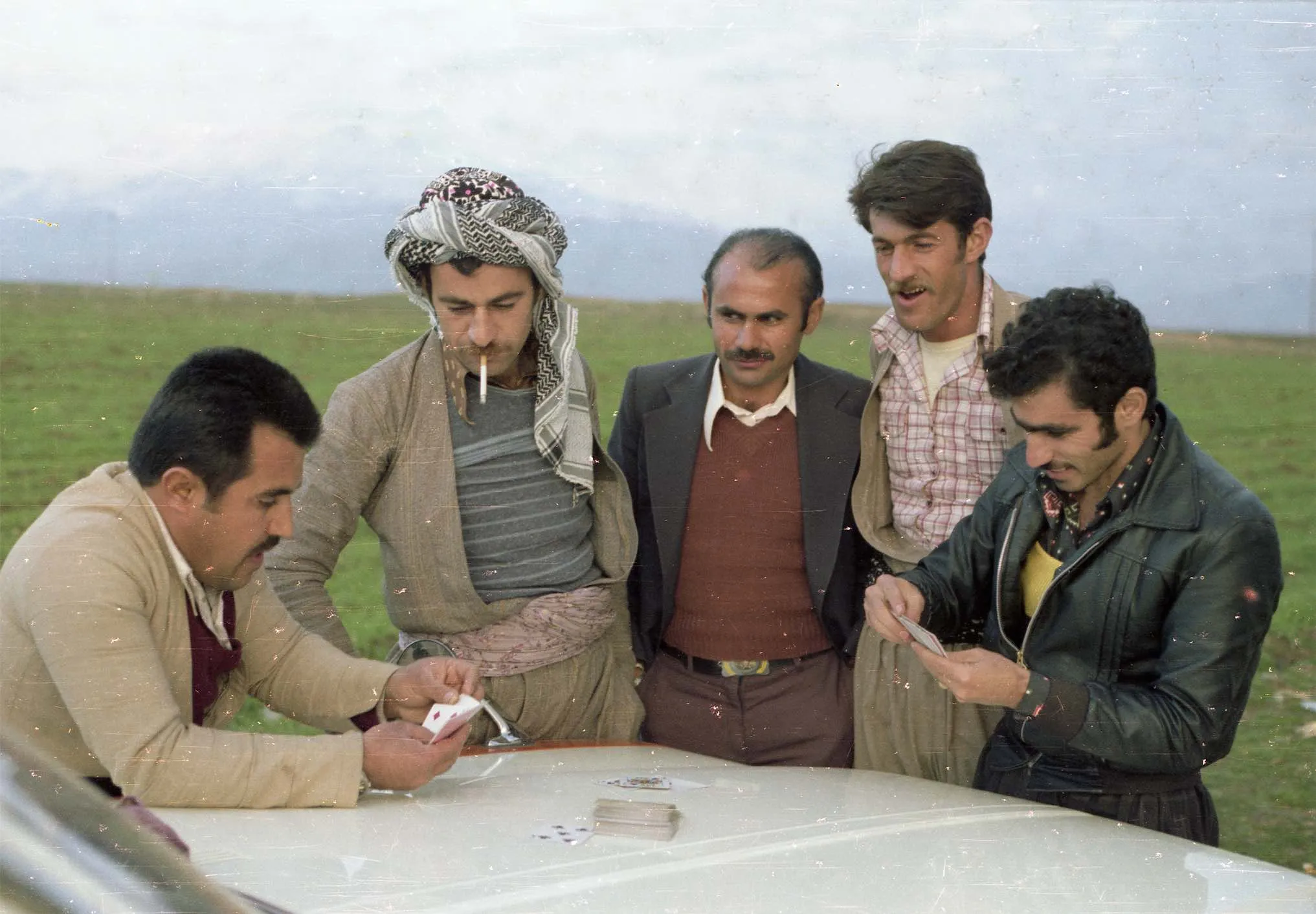
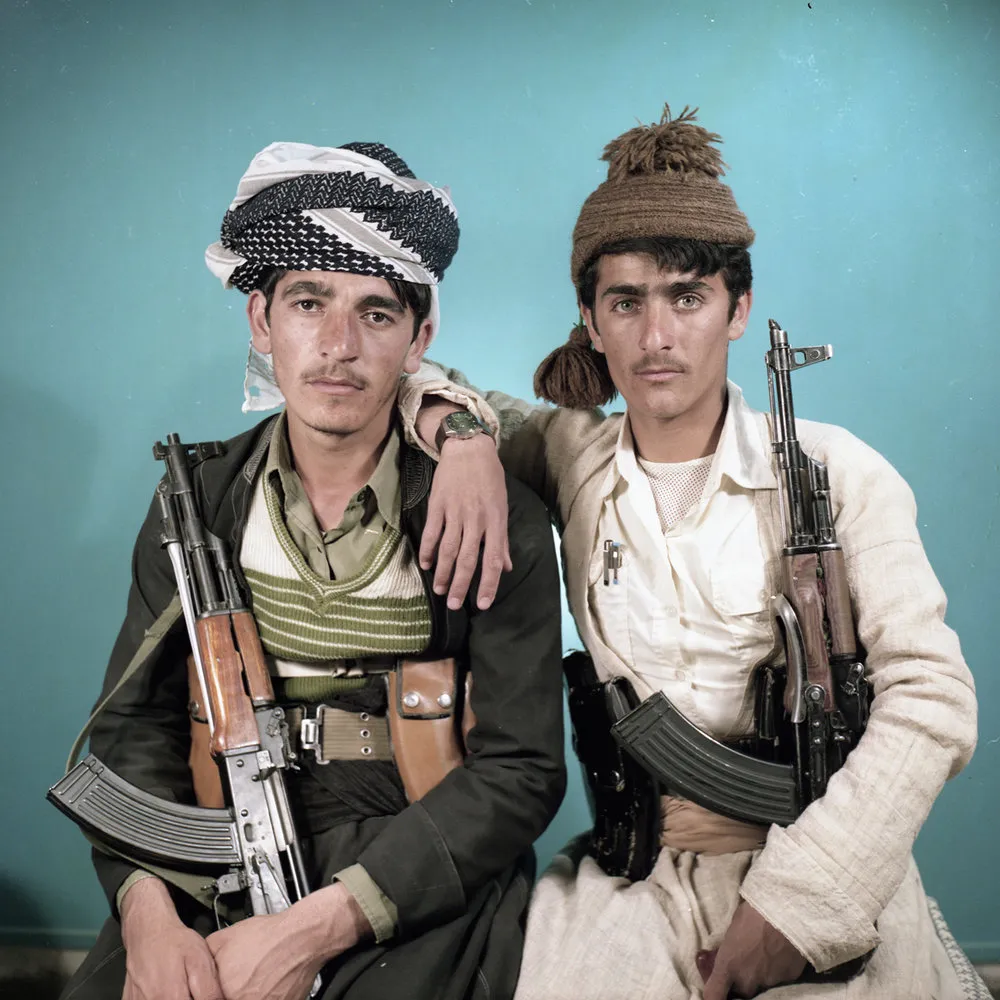
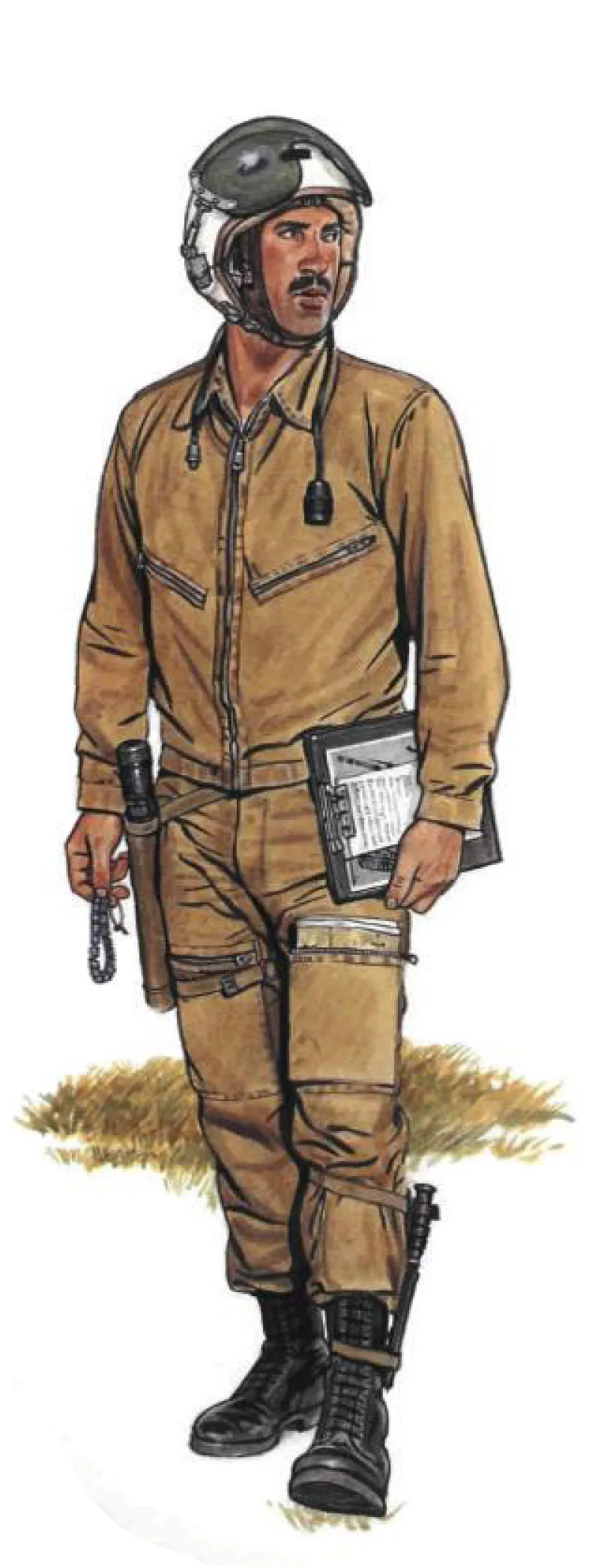
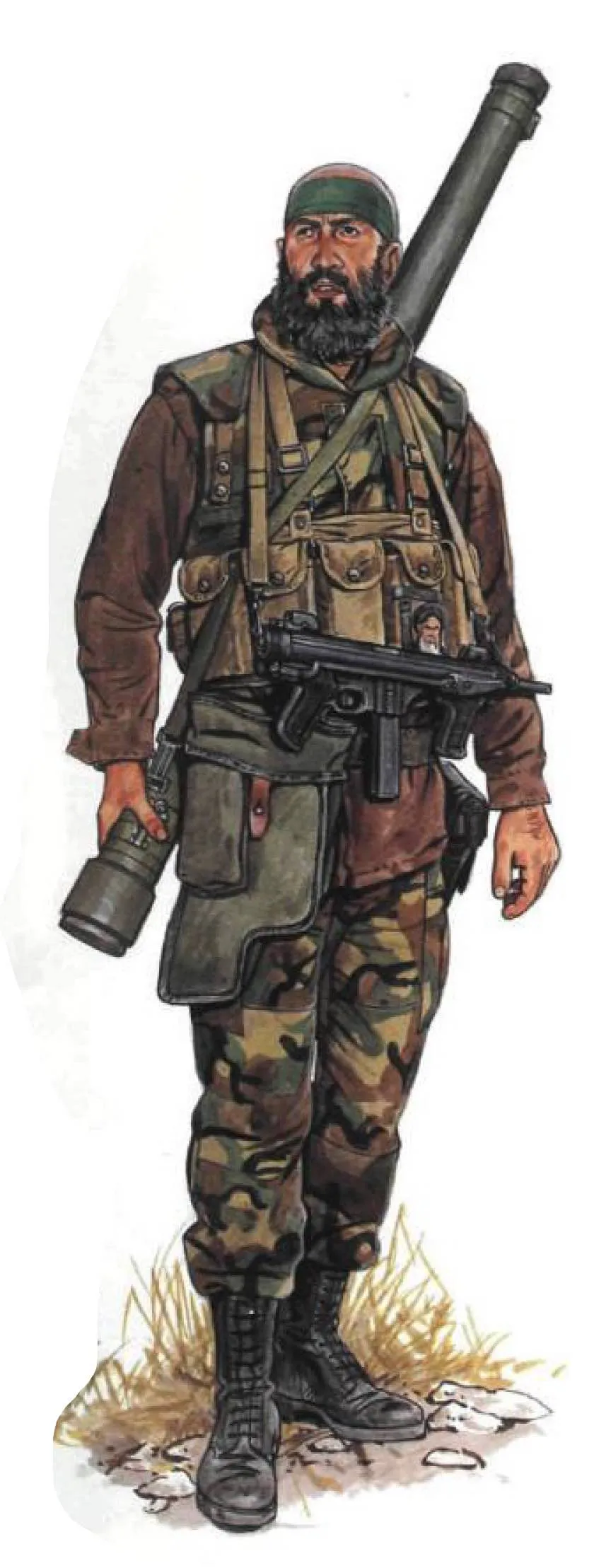
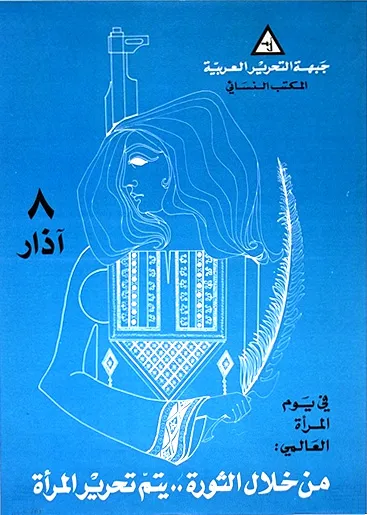
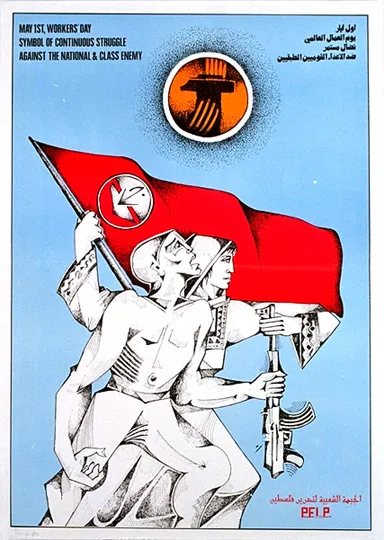
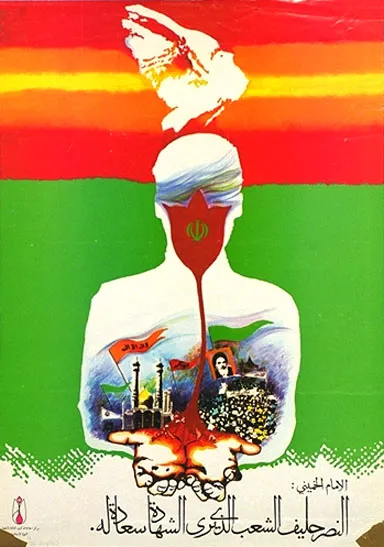
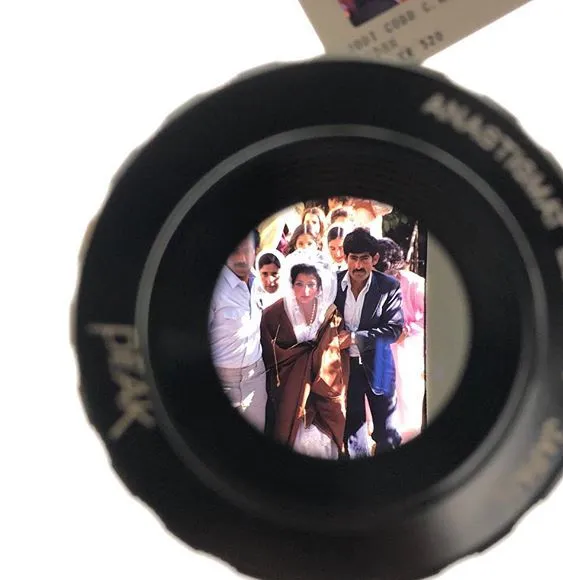
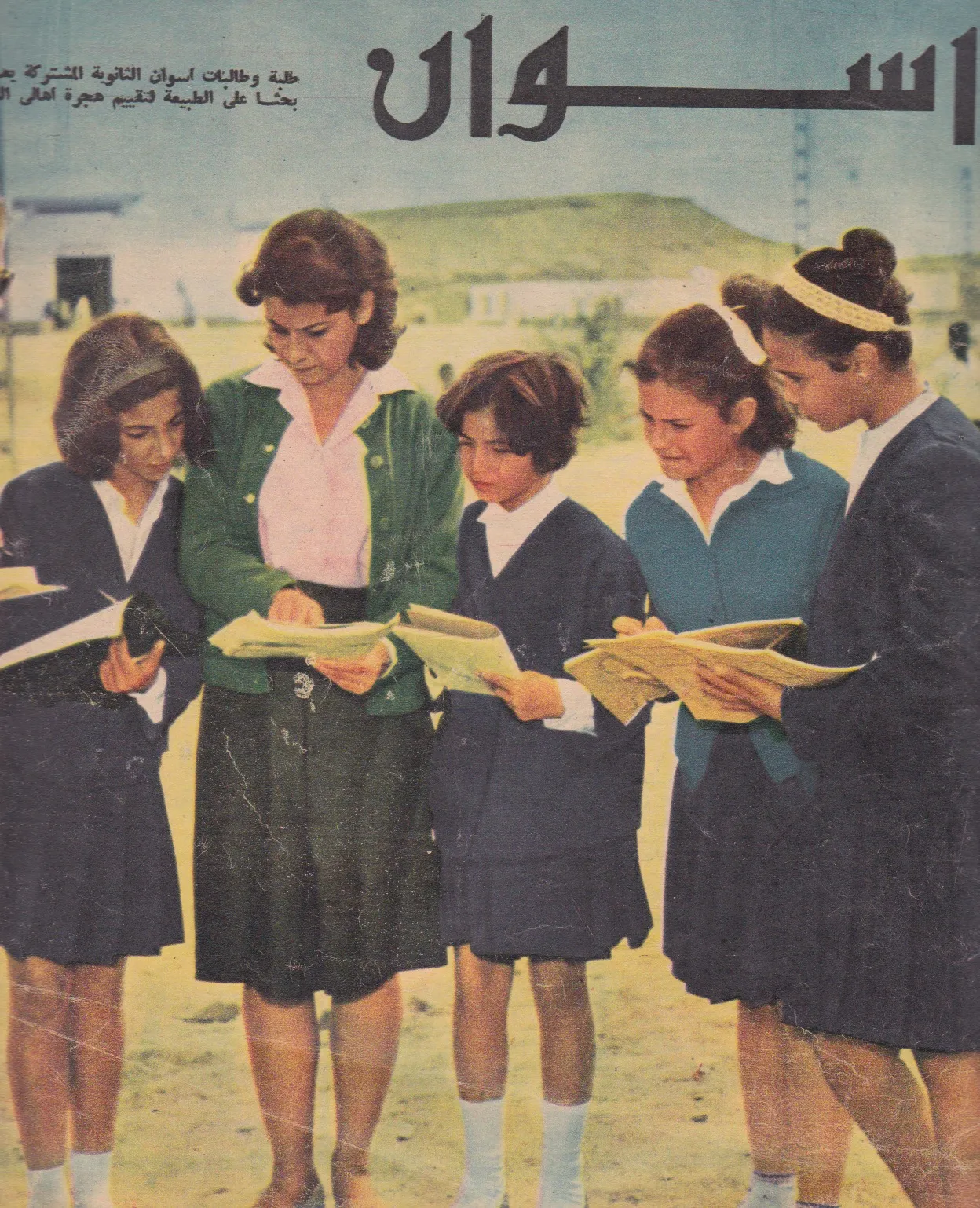
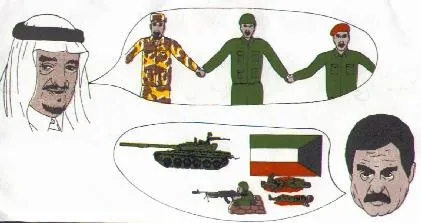
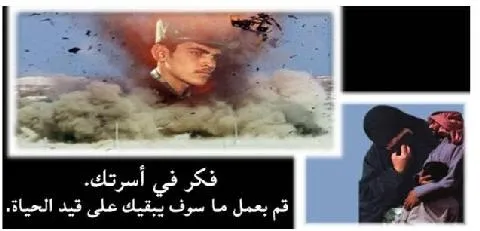
This course examines changing technologies of image capture/(re)production/circulation in the Middle East from the turn of the century through today. We examine historical moments through an appreciation of changing technological advancements of visual material. From changing printing practices on postcards, consumer grade cameras, increasing photographs in periodicals, TVs & VHS, leading up to networked technologies and the digital morass in which we now live.
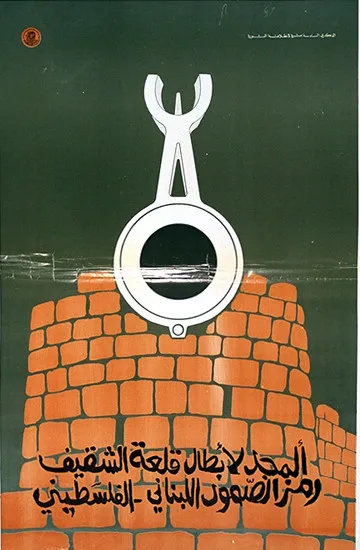
Across the arch of the course, emergent technological capabilities of visuality become entwined in issues of nationalism, revolt, consumerism, tourism, changing gender roles, and boundaries of sexuality.
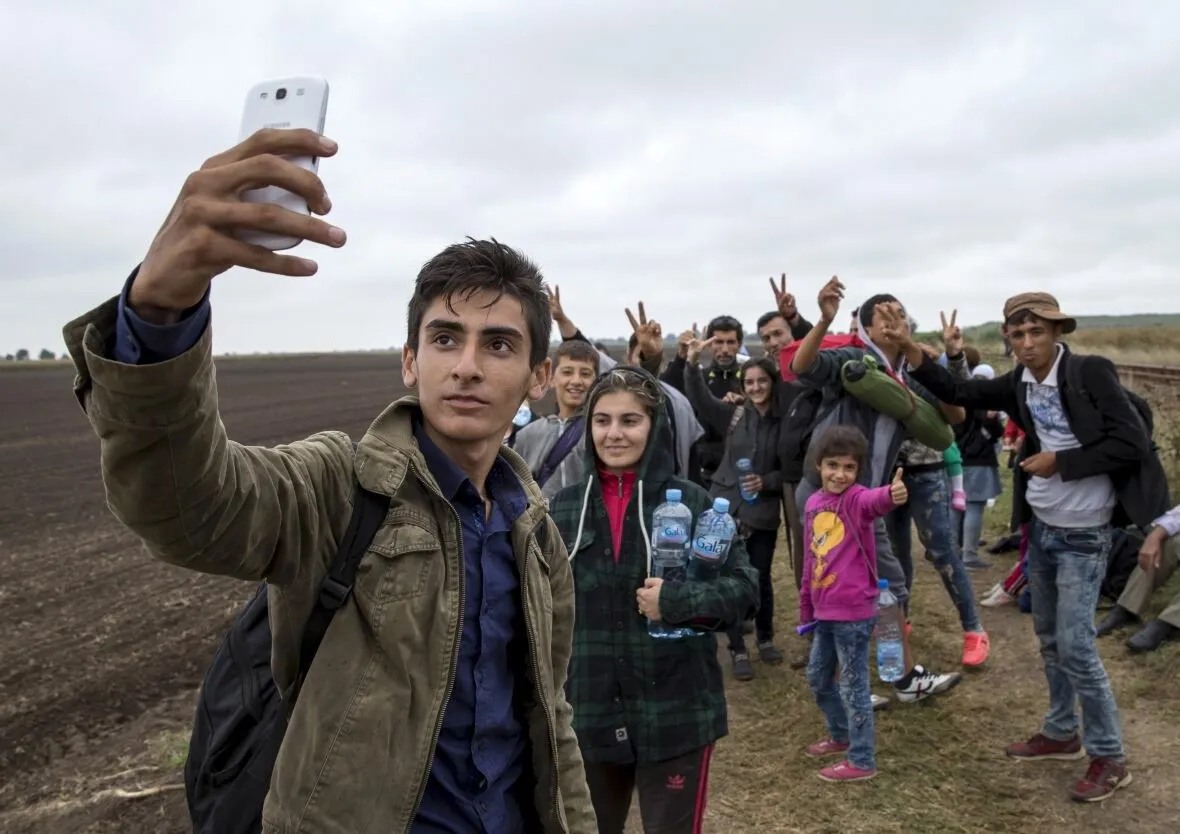
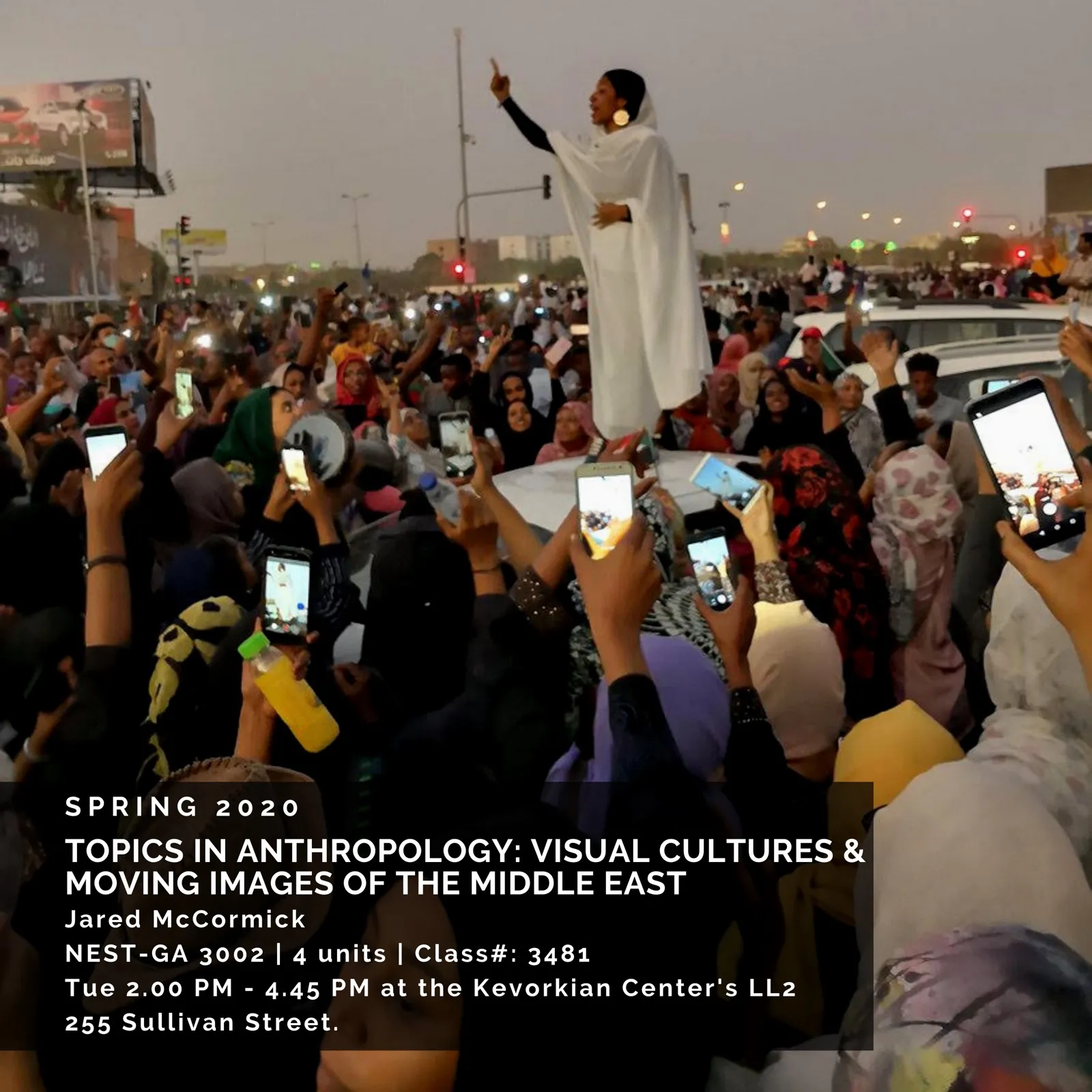
The second half of the course focuses on the contemporary landscape of smartphones/internet/apps/digitality and the dizzying array of visual material in which we now drown. From protests to citizen journalists, emergent political movements and social media on smartphones, from Grindr to surveillance, selfies, & sex. We will consider broader themes as they relate to the Middle East.
Finally, there is an emphasis for students to develop and integrate visual material in their MA research. We will explore some visual methods across the course and you will learn how to create a digital story paying special attention to not simply using visual material as the “represention” of your argument.
Weeks 1-7
Technologies & Materialities of Vision
These weeks cover various technological advancements that changed photographic production, reproduction, and cirrculation in the contexts of the Middle East. We will examine decades of expanding visual cultures before digital technologies
Weeks 9-15
Digital Terrains of Visuality across the Middle East
The second half of this course pivots to explore the past 50+ years of increasing digitality & visuality. Each week presents a different frame/entry point from which we will see and think through parts of the Middle East. These “series of visions” will open up many methods for students to consider using visual materials
What follows is more than a syllabus.
This website is assembled and offered for those who are interested in visual cultures across the larger "Middle East."
However, this website is also a pedagogical tool! The weeks of the course below introduce different tools/techniques of how you can activate, juxtopose, and integrate visual materials with your own larger research.
Rather than just a normal syllabus this "platform as syllabus" allows us to brainstorm and explore different ways you can build your own site, similar to this, through the course.
As part of this class, students will be constructing a "visual essay" for their final. You will be asked to assemble/build/identify a larger set of visual material that directly connects to your research interests.
You will then explore the relationship of text & image as you "jump off the page" to iterate a blended visual & written argument.
What motivates this course are the stories / narratives imaginations / myths that circulate though the visual register.
• How can you identify and build a collection of visual material that intersects with your research agenda?
• How can we sort, select, and sample visual materials not simply as representations of our arguments?
• How can we better account for - and integrate - visual material in more deep, rich, and dynamics ways into such scholarship?
• How can we problematize and push the relationships between image/text in our scholarship?
• What does it mean to conceptualize a visual essay off the page -- and in a digital landscape?
• What affordances does this allow to enliven and animate one's arguments?
• How can this contribute to greater access through new types of public scholarship and ways to collaboration within, and beyond, the academy?
The text and the design of this site are published under a Creative Commons BY-NC-SA 4.0 license, so that they can circulate: use them with credit for anything that is not for sale, and share what you make the same way. Rights in the images remain with their makers and holders.
Questions, corrections, and requests to use this material or to take it down: jaredmccormick@gmail.com.